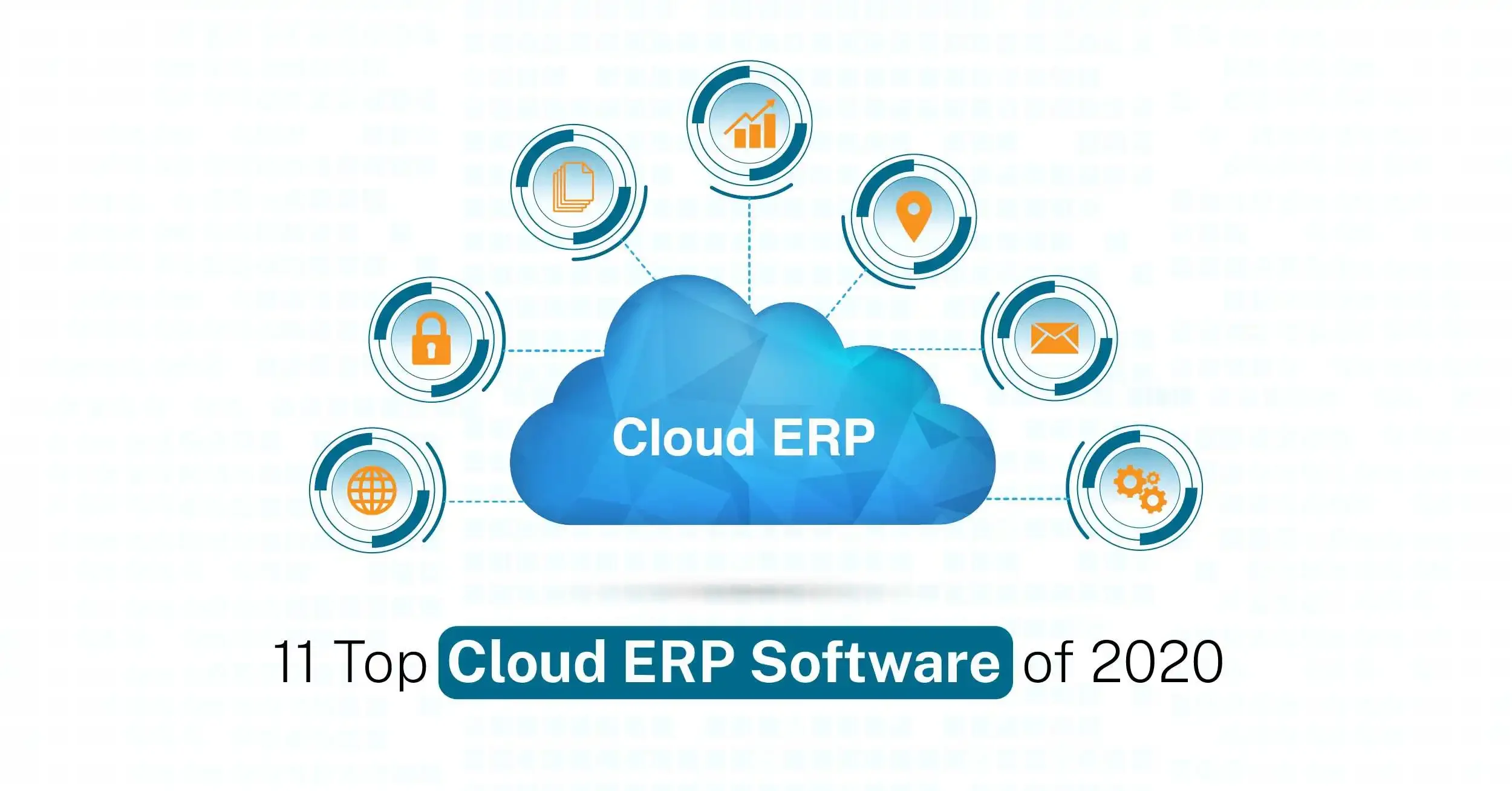
Hey there, business owners in the UAE! Are you looking to streamline your operations and increase efficiency within your company? Look no further than ERP software. By implementing an ERP system, you can consolidate all of your business processes into one integrated platform, making it easier to manage everything from sales and inventory to accounting and HR. With the help of ERP software, you can take your business to the next level and stay ahead of the competition. Let’s explore how ERP software can benefit your business in the UAE.
Overview of ERP Software in UAE
ERP software in the UAE has seen a significant rise in popularity in recent years among businesses of all sizes. The UAE is one of the leading countries in the Middle East when it comes to adopting new technologies, and ERP software is no exception. As businesses in the UAE continue to grow and expand, the need for efficient and integrated software solutions becomes crucial. ERP software provides a comprehensive solution for managing various business processes such as procurement, inventory management, finance, human resources, and customer relationship management.
The UAE is a hub for diverse industries such as hospitality, real estate, retail, and manufacturing. Each of these industries has unique requirements when it comes to managing their operations, and ERP software can be customized to meet these specific needs. For example, a hospitality company may require features such as reservation management and guest tracking, while a manufacturing company may need modules for production planning and supply chain management.
One of the key benefits of ERP software is its ability to integrate data from different departments into a single platform. This integration streamlines processes and eliminates the need for manual data entry, reducing the risk of errors and increasing efficiency. With ERP software, businesses in the UAE can make faster and more informed decisions based on real-time data from various parts of the organization.
Another advantage of ERP software in the UAE is its scalability. As businesses grow and their needs evolve, they can easily add new modules or users to their existing ERP system. This flexibility allows businesses to adapt to changing market conditions and stay ahead of the competition. Additionally, ERP software can be accessed remotely, making it easier for employees to collaborate and work from different locations.
In the UAE, there are several ERP software providers offering a wide range of solutions tailored to the needs of local businesses. These providers offer implementation services, training, and support to ensure that businesses get the most out of their ERP systems. When choosing an ERP software provider in the UAE, businesses should consider factors such as cost, functionality, and support services to find the best fit for their organization.
In conclusion, ERP software has become an essential tool for businesses in the UAE looking to streamline their operations, improve efficiency, and stay competitive in the market. With its advanced features, scalability, and integration capabilities, ERP software is well-suited to meet the diverse needs of businesses in the UAE across various industries.
Benefits of Implementing ERP Software in UAE
Implementing ERP software in UAE can bring a multitude of benefits to businesses of all sizes. From streamlining operations to improving decision-making processes, the advantages of using ERP software are numerous. Here are some key benefits of implementing ERP software in the UAE:
1. Enhanced Efficiency
One of the primary benefits of ERP software is the enhanced efficiency it can bring to an organization. By integrating various business processes into one comprehensive system, ERP software can eliminate the need for manual data entry, reduce errors, and automate repetitive tasks. This increased efficiency can help businesses save time and resources, allowing them to focus on more strategic initiatives.
2. Improved Data Accuracy and Decision Making
ERP software allows businesses to consolidate data from various departments into one centralized system, providing a single source of truth for all stakeholders. This improves data accuracy by minimizing the risk of errors that may arise from working with disparate systems or manual processes. With real-time access to accurate data, decision-makers can make informed choices that drive the business forward.
Furthermore, ERP software provides powerful reporting and analytics tools that enable businesses to gain valuable insights into their operations. By analyzing key performance indicators and trends, organizations can identify areas for improvement and make data-driven decisions that support their overall business goals.
3. Streamlined Processes
ERP software helps to streamline business processes by automating tasks and reducing the need for manual intervention. This can lead to increased productivity, as employees can focus on more value-added activities instead of administrative tasks. By standardizing processes across different departments, ERP software ensures consistency and efficiency in operations.
4. Improved Customer Service
With ERP software, businesses can provide better customer service by having access to real-time customer information and order statuses. This allows organizations to respond quickly to customer inquiries, resolve issues promptly, and deliver a more personalized experience. By meeting customer needs more effectively, businesses can improve customer satisfaction and loyalty.
5. Cost Savings
Implementing ERP software can lead to significant cost savings for businesses in the UAE. By improving efficiency, reducing errors, and optimizing processes, organizations can lower operational costs and increase profitability. Additionally, ERP software can help businesses identify cost-saving opportunities and make informed decisions that support financial sustainability.
In conclusion, the benefits of implementing ERP software in the UAE are substantial, ranging from enhanced efficiency and data accuracy to improved decision-making and cost savings. By leveraging the power of ERP software, businesses can optimize their operations, drive growth, and stay competitive in today’s dynamic marketplace.
Top ERP Software Providers in UAE
When it comes to ERP software providers in the UAE, there are a few key players that stand out in the market. These providers offer a range of solutions tailored to the specific needs of businesses in the region, from small startups to large enterprises. Let’s take a closer look at three of the top ERP software providers in the UAE:
1. SAP: SAP is a global leader in ERP software, and its solutions are widely used by businesses in the UAE. SAP offers a range of ERP solutions tailored to different industries, including retail, manufacturing, and finance. With its strong track record and reputation for reliability, SAP is a popular choice for businesses looking for an ERP solution that can scale with their growth.
2. Microsoft Dynamics 365: Microsoft Dynamics 365 is another popular choice for businesses in the UAE. With its seamless integration with other Microsoft products, such as Office 365 and Azure, Dynamics 365 offers a comprehensive suite of ERP solutions that can help businesses streamline their operations and improve efficiency. Microsoft’s strong presence in the region also makes it a trusted provider for businesses looking for a reliable ERP solution.
3. Oracle: Oracle is a well-known name in the world of enterprise software, and its ERP solutions are no exception. With a strong focus on cloud-based solutions, Oracle offers a range of ERP products that cater to businesses of all sizes. From financial management to supply chain optimization, Oracle’s ERP solutions are designed to help businesses streamline their operations and drive growth. With its strong presence in the UAE market, Oracle is a top choice for businesses looking for a robust and reliable ERP solution.
Overall, these top ERP software providers in the UAE offer a range of solutions to meet the diverse needs of businesses in the region. Whether you are a small startup or a large enterprise, there is a provider out there that can help you streamline your operations, improve efficiency, and drive growth. Consider reaching out to one of these top ERP software providers in the UAE to explore how their solutions can benefit your business.
Best Practices for ERP Implementation in UAE
Implementing an ERP system in the UAE can be a complex process, but by following best practices, companies can ensure a successful implementation. Here are some key steps to consider:
1. Define Clear Objectives
Before starting the implementation process, it is essential to clearly define the objectives of the ERP system. This includes identifying the specific business processes that need to be improved, setting measurable goals, and determining key performance indicators to track success.
2. Engage Stakeholders
Involving key stakeholders from various departments in the planning and implementation process is crucial for the success of an ERP system. This includes employees at all levels of the organization, as well as external partners and vendors who will be impacted by the new system.
3. Choose the Right ERP Solution
Selecting the right ERP software is a critical decision that can greatly impact the success of the implementation. Companies in the UAE should choose a solution that is tailored to their industry, size, and specific business needs. It is also important to consider factors such as scalability, mobility, and cloud capabilities.
4. Conduct Comprehensive Training
One of the most important steps in the ERP implementation process is providing comprehensive training for employees. This includes training on how to use the new system, as well as educating employees on the benefits of the ERP solution and how it will improve their daily workflows. Training should be ongoing to ensure that employees are comfortable using the system and fully understand its capabilities.
Effective training can help to mitigate resistance to change and ensure that employees are able to make the most of the new system. Companies should consider offering a variety of training methods, such as classroom training, online courses, and one-on-one coaching sessions.
By following these best practices for ERP implementation in the UAE, companies can increase the likelihood of a successful rollout and realize the full benefits of their investment in an ERP system.
Future Trends of ERP Software in UAE
As the business landscape in the UAE continues to evolve, so does the technology that supports it. ERP software has become an essential tool for companies looking to streamline their operations and increase efficiency. In the UAE, there are several trends shaping the future of ERP software:
1. Cloud-Based Solutions: Cloud-based ERP solutions are becoming increasingly popular in the UAE due to their flexibility, scalability, and cost-effectiveness. By moving their ERP systems to the cloud, companies can access their data from anywhere, at any time, without the need for expensive hardware installations.
2. Mobile ERP: With the rise of remote work and the increasing use of mobile devices, mobile ERP apps are becoming a key trend in the UAE. These apps allow employees to access critical business data and functions on-the-go, enabling them to make informed decisions quickly and efficiently.
3. AI and Machine Learning: Artificial intelligence and machine learning are revolutionizing the way ERP software operates in the UAE. These technologies enable ERP systems to analyze large amounts of data, identify patterns, and make intelligent predictions, helping companies optimize their processes and make smarter business decisions.
4. Integration with IoT: The Internet of Things (IoT) is gaining traction in the UAE, and ERP software is no exception. By integrating ERP systems with IoT devices, companies can collect real-time data from sensors and other smart devices, enabling them to track assets, monitor inventory levels, and improve overall operational efficiency.
5. Blockchain Integration: One of the most exciting trends in ERP software in the UAE is the integration of blockchain technology. Blockchain technology offers a secure, transparent, and tamper-proof way to record transactions, making it an ideal solution for industries that require high levels of trust and accountability, such as finance, healthcare, and supply chain management.
Businesses in the UAE are beginning to explore how blockchain can be integrated into their ERP systems to enhance data security, streamline processes, and reduce the risk of fraud. By leveraging blockchain technology, companies can ensure the integrity of their data and transactions while also promoting trust and transparency in their business operations.
These trends demonstrate the ever-evolving nature of ERP software in the UAE and highlight the importance of staying up-to-date with the latest technologies to remain competitive in today’s fast-paced business environment.
Originally posted 2025-07-05 03:00:00.