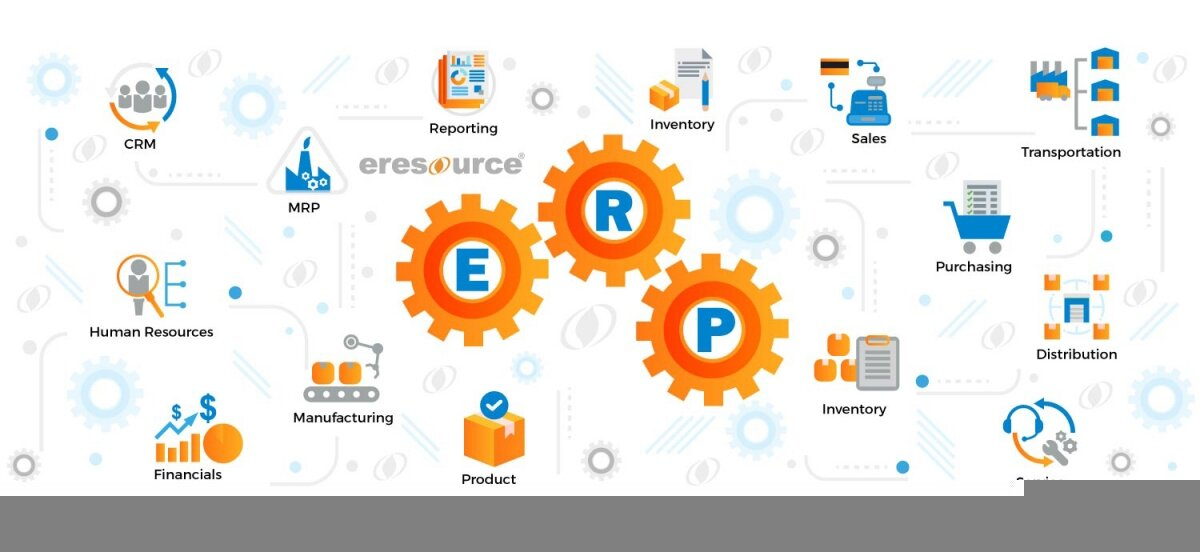
Welcome to the transformative world of Enterprise Resource Planning (ERP) solutions in the United Arab Emirates (UAE). In today’s fast-paced business environment, organizations are constantly seeking ways to streamline their operations, improve efficiency, and enhance overall performance. With the implementation of ERP solutions, businesses in the UAE can achieve all of these goals and more. From small startups to large enterprises, ERP systems have become an essential tool for managing resources, tracking processes, and optimizing workflows. Let’s explore how ERP solutions are revolutionizing business operations in the UAE and driving growth and success for companies of all sizes.
Importance of ERP Solutions in the UAE
ERP (Enterprise Resource Planning) solutions play a crucial role in the business landscape of the UAE. As a country that thrives on innovation and technological advancements, businesses in the UAE understand the importance of integrating ERP solutions into their operations. These solutions provide a streamlined approach to managing various aspects of a business, including finance, human resources, supply chain management, and customer relations.
One of the key reasons why ERP solutions are essential in the UAE is the competitive advantage they offer to businesses. In a market as competitive as the UAE, companies need to stay ahead of the curve to succeed. By implementing ERP solutions, businesses can improve efficiency, reduce operational costs, and make informed decisions based on real-time data. This gives them a competitive edge over their competitors and allows them to adapt to changing market conditions swiftly.
Furthermore, ERP solutions help businesses in the UAE comply with regulations and maintain transparency in their operations. With increasing scrutiny from regulatory bodies and stakeholders, it is crucial for companies to have systems in place that ensure compliance with laws and regulations. ERP solutions not only help in monitoring and reporting on business activities but also provide a centralized platform for managing compliance-related data.
In addition to this, ERP solutions enhance communication and collaboration within an organization. With features like integrated communication tools and centralized data storage, employees can work together more efficiently, leading to improved productivity and better decision-making. This is particularly important in a diverse business environment like the UAE, where companies often have teams spread across different locations and time zones.
Another important aspect of ERP solutions in the UAE is their ability to provide insights that enable businesses to make data-driven decisions. The UAE market is constantly evolving, and companies need to be able to adapt quickly to stay ahead. ERP solutions offer advanced analytics and reporting capabilities that allow businesses to analyze trends, identify opportunities, and mitigate risks effectively. This empowers decision-makers to take proactive steps towards achieving their business goals.
Overall, ERP solutions are indispensable for businesses in the UAE looking to achieve sustainable growth and success in a dynamic market. By integrating these solutions into their operations, companies can streamline their processes, improve efficiency, stay compliant with regulations, enhance collaboration, and make informed decisions based on real-time data. In today’s fast-paced business environment, ERP solutions have become a necessity rather than a luxury for companies in the UAE.
Key Features of ERP Solutions for Businesses in the UAE
When it comes to choosing an ERP solution for your business in the UAE, there are several key features that you should consider to ensure that the software meets your specific needs and requirements. Here are some of the most important features to look out for:
1. Customization: One of the key features of ERP solutions in the UAE is the ability to customize the software to suit the unique needs of your business. This can include adding or removing modules, changing user interfaces, and adapting workflows to match your company’s processes. Customization is essential as it ensures that the ERP system aligns with your business objectives and helps you achieve maximum efficiency and productivity.
2. Scalability: Another important feature of ERP solutions for businesses in the UAE is scalability. As your business grows and evolves, your ERP system should be able to grow with you. Scalability ensures that the software can accommodate an increasing number of users, transactions, and data volumes without compromising performance. This is especially crucial for businesses in the UAE, where the economy is rapidly expanding, and companies need to be able to adapt to changing market conditions quickly.
3. Integration: ERP solutions in the UAE should also offer seamless integration with other systems and applications that your business uses. This includes financial systems, CRM systems, HR software, and more. Integration allows for data sharing and communication between different departments within your organization, streamlining processes and improving collaboration. It also helps minimize errors and data duplication, ultimately leading to better decision-making and increased efficiency.
4. Cloud-Based Solutions: With the increasing trend towards digital transformation, many businesses in the UAE are opting for cloud-based ERP solutions. Cloud-based ERP systems offer several benefits, including lower upfront costs, easier maintenance, and greater flexibility. They also allow for remote access, enabling employees to work from anywhere at any time. This is especially valuable for companies in the UAE, where remote work is becoming more common due to factors such as traffic congestion and extreme weather conditions.
5. Security: Data security is paramount for businesses in the UAE, particularly in industries such as finance, healthcare, and government. ERP solutions should offer robust security features, such as data encryption, access controls, and regular security updates to protect sensitive information from unauthorized access and cyber threats. Compliance with local regulations and international standards is also essential to ensure that your business remains legally compliant and avoids any potential liabilities.
Overall, ERP solutions play a crucial role in helping businesses in the UAE achieve operational excellence, improve decision-making, and drive growth. By considering these key features when selecting an ERP system, you can make sure that the software meets your business needs and helps you stay competitive in the dynamic UAE market.
Choosing the Right ERP Solution Provider in the UAE
When it comes to selecting an ERP solution provider in the UAE, there are several important factors to consider. Here are some key considerations to keep in mind:
1. Industry Experience: One of the most crucial factors to consider when choosing an ERP solution provider is their industry experience. It is important to select a provider that has experience working with businesses in your specific industry. This ensures that they understand the unique challenges and requirements of your business and can tailor their solutions to meet your needs.
2. Customization Capabilities: Every business is unique, and therefore, it is essential to choose an ERP solution provider that offers customization capabilities. Look for a provider that can customize their solutions to align with your business processes and workflows. This will ensure that the ERP system seamlessly integrates with your existing systems and operations.
3. Support and Training: Another critical factor to consider is the level of support and training offered by the ERP solution provider. Implementing an ERP system can be a complex process, and it is essential to have access to reliable support and training resources. Look for a provider that offers comprehensive training programs for your team and ongoing support to assist with any issues or challenges that may arise.
Additionally, consider the provider’s customer service track record and response time to ensure that you will receive prompt assistance when needed. It is also helpful to inquire about the provider’s implementation process and post-implementation support to ensure a smooth transition to the new ERP system.
In conclusion, choosing the right ERP solution provider in the UAE is a crucial decision that can impact the success of your business. By considering the factors mentioned above, you can select a provider that aligns with your business needs and goals, and ultimately helps you optimize your operations and drive growth.
Benefits of Implementing ERP Solutions in the UAE
ERP (Enterprise Resource Planning) solutions have become an essential tool for businesses in the UAE looking to streamline their operations and improve efficiency. By integrating various business functions into a single system, ERP software provides organizations with real-time insights, data accuracy, and improved decision-making capabilities. Here are some of the key benefits of implementing ERP solutions in the UAE:
1. Improved Business Efficiency: One of the main advantages of using ERP solutions is the ability to automate and streamline business processes. By eliminating manual tasks and reducing the likelihood of errors, organizations can operate more efficiently and effectively. This can lead to increased productivity, cost savings, and better resource utilization.
2. Enhanced Data Accuracy: ERP systems centralize all data into a single repository, ensuring that information is consistent, up-to-date, and accurate. This eliminates the need for multiple data entry points and reduces the risk of errors associated with manual data entry. With real-time access to reliable data, organizations can make informed decisions quickly and confidently.
3. Improved Decision-Making: With access to real-time data and powerful analytics tools, ERP solutions enable organizations to analyze performance metrics, identify trends, and forecast future outcomes. This empowers decision-makers at all levels of the organization to make informed and strategic decisions that drive business growth and success.
4. Scalability and Flexibility: ERP solutions in the UAE are designed to support the growth and evolution of businesses. Whether an organization is a small startup or a large enterprise, ERP systems can scale to meet changing business needs. This scalability allows businesses to add or remove users, modules, and functionalities as required, ensuring that the system remains aligned with the organization’s goals and objectives.
Additionally, ERP solutions offer flexibility in terms of customization. Organizations can tailor the system to meet their specific requirements, industry standards, and regulatory compliance needs. This adaptability ensures that the ERP solution aligns with the unique workflows and processes of the business, enhancing user adoption and overall system performance.
In conclusion, implementing ERP solutions in the UAE can provide businesses with a multitude of benefits, including improved efficiency, enhanced data accuracy, better decision-making capabilities, scalability, and flexibility. By investing in an ERP system, organizations can gain a competitive edge, drive growth, and achieve long-term success in today’s rapidly changing business landscape.
Future Trends in ERP Solutions for the UAE Market
Enterprise Resource Planning (ERP) solutions have been a game-changer for businesses in the UAE, enabling them to streamline their operations, improve efficiency, and make informed decisions. As technology continues to evolve at a rapid pace, it is crucial for businesses to stay updated on the latest trends in ERP solutions to remain competitive in the market. Here are some future trends in ERP solutions that are expected to shape the UAE market:
1. Cloud-Based ERP Systems: One of the biggest trends in ERP solutions is the shift towards cloud-based systems. Cloud ERP offers numerous benefits, including flexibility, scalability, and cost-effectiveness. With the rise of remote work and the need for real-time data access, cloud-based ERP systems are becoming increasingly popular among businesses in the UAE. These systems allow for easy collaboration, improved data security, and enhanced mobile accessibility, making them a preferred choice for many companies.
2. Artificial Intelligence and Machine Learning: Another key trend in ERP solutions is the integration of artificial intelligence (AI) and machine learning capabilities. AI-powered ERP systems can automate repetitive tasks, improve data analysis, and provide valuable insights to help businesses make data-driven decisions. By incorporating AI and machine learning technologies into ERP systems, businesses in the UAE can optimize their processes, reduce manual errors, and enhance overall productivity.
3. Internet of Things (IoT) Integration: The Internet of Things (IoT) has revolutionized the way businesses collect and analyze data. By integrating IoT devices with ERP systems, companies can gather real-time information about their operations, assets, and supply chain. IoT-enabled ERP solutions allow for better tracking of inventory, predictive maintenance, and improved decision-making. In the UAE market, businesses are increasingly exploring the potential of IoT integration to optimize their processes and gain a competitive edge.
4. Blockchain Technology: Blockchain technology is another trend that is expected to impact ERP solutions in the UAE market. By leveraging blockchain, businesses can enhance data security, transparency, and trust in their ERP systems. Blockchain-enabled ERP solutions can improve traceability, reduce fraud, and streamline transactions. As regulations around data privacy and security continue to evolve, blockchain technology offers a secure and decentralized solution for businesses in the UAE.
5. Personalized User Experiences: In the future, ERP solutions in the UAE market are likely to focus more on providing personalized user experiences. Businesses are increasingly looking for ERP systems that are intuitive, user-friendly, and customizable to meet their specific needs. From simplified dashboards to personalized reporting tools, the emphasis is on enhancing user experience and ensuring that employees can easily navigate and utilize the ERP system. With the growing demand for seamless and engaging interfaces, ERP vendors are expected to prioritize user-centric design in their solutions.
Overall, the future of ERP solutions in the UAE market is bright, with technological advancements driving innovation and efficiency. By staying abreast of these trends and incorporating them into their operations, businesses can position themselves for success in a rapidly evolving digital landscape.
Originally posted 2025-07-03 16:00:00.