Welcome to the exciting world of ERP system software in the UAE! Over the years, the landscape of enterprise resource planning (ERP) software has evolved significantly in this region, catering to the diverse needs of businesses across various industries. From traditional on-premise solutions to cloud-based platforms, the options available today are vast and sophisticated. Let’s take a closer look at how ERP system software has transformed in the UAE, revolutionizing the way businesses operate and streamline their processes.
Overview of ERP System Software in UAE
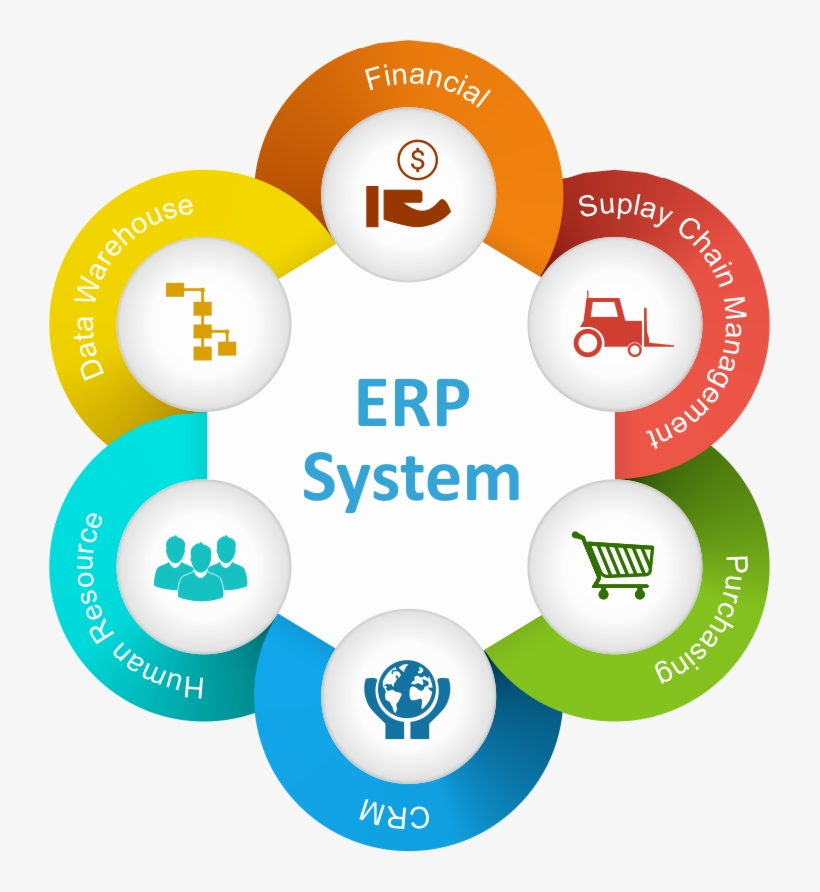
Enterprise Resource Planning (ERP) System Software is becoming increasingly popular in the United Arab Emirates (UAE) as businesses look for efficient ways to streamline their operations and increase productivity. ERP software integrates various business functions such as finance, human resources, inventory management, and sales into a single system, providing real-time data and insights to help decision-makers make informed choices.
One of the key reasons why ERP system software is gaining traction in the UAE is due to the country’s rapidly growing economy and diverse business landscape. With industries ranging from oil and gas to tourism and hospitality, businesses in the UAE face unique challenges that can be effectively addressed with the help of ERP software. By centralizing all business processes and data in one platform, companies can improve communication, reduce operational costs, and make strategic decisions based on accurate information.
Additionally, the UAE government is actively promoting the adoption of digital technologies, including ERP system software, to drive innovation and enhance competitiveness in the global market. Government initiatives such as the UAE Vision 2021 and Dubai’s Smart City project are encouraging businesses to invest in digital transformation and automation to stay ahead in the rapidly evolving business landscape.
Another factor contributing to the growth of ERP system software in the UAE is the increasing trend of remote work and virtual collaboration. With the rise of remote work due to the COVID-19 pandemic, businesses are looking for cloud-based ERP solutions that can be accessed from anywhere, allowing employees to work seamlessly from home or while traveling. Cloud-based ERP systems also offer scalability and flexibility, making it easy for businesses to adapt to changing market conditions and scale their operations as needed.
Overall, the adoption of ERP system software in the UAE is proving to be a game-changer for businesses looking to improve efficiency, reduce costs, and stay competitive in the global market. With advanced features such as artificial intelligence, machine learning, and predictive analytics, ERP software is helping businesses automate routine tasks, increase productivity, and make data-driven decisions that drive growth and success.
Benefits of Implementing ERP System Software in UAE
Implementing an ERP system software in UAE can offer a wide range of benefits to businesses operating in the region. From streamlining operations to boosting productivity, here are some of the key advantages of integrating ERP software into your business:
1. Improved Efficiency: With an ERP system in place, businesses in UAE can automate and streamline their operations, reducing manual tasks and eliminating the need for multiple data entry points. This can result in improved efficiency across all departments, allowing employees to focus on more strategic tasks rather than getting bogged down in administrative work.
2. Enhanced Decision-Making: One of the most significant benefits of implementing an ERP system software in UAE is the access to real-time data and analytics. By centralizing all business information in one platform, managers can make more informed decisions based on accurate and up-to-date information. This can help businesses in UAE stay ahead of competitors and adapt quickly to changing market conditions.
3. Cost Savings: By streamlining processes and eliminating manual tasks, businesses in UAE can reduce operational costs and increase their overall profitability. ERP systems can help identify areas of inefficiency and waste, allowing businesses to make strategic decisions to cut costs and improve their bottom line.
4. Improved Customer Service: With an ERP system software in place, businesses in UAE can better serve their customers by providing faster response times, accurate order processing, and improved communication. This can help businesses build stronger relationships with customers and increase customer satisfaction levels.
5. Scalability: As businesses in UAE continue to grow and expand, having an ERP system in place can help manage increasing complexity and volume. ERP software is designed to be scalable, meaning it can easily adapt to the changing needs of businesses in UAE without requiring a complete overhaul of the system.
6. Regulatory Compliance: In UAE, businesses are subject to strict regulations and compliance requirements. An ERP system software can help businesses ensure they are meeting these regulations by providing accurate and audited financial reports, tracking inventory and shipments, and maintaining proper documentation.
Overall, implementing an ERP system software in UAE can provide businesses with a competitive edge, helping them streamline operations, improve decision-making, and drive growth. By investing in ERP software, businesses in UAE can position themselves for long-term success in a rapidly evolving market.
Popular ERP System Software Providers in UAE
When it comes to ERP system software providers in the UAE, there are several well-known companies that offer top-notch solutions for businesses of all sizes. These providers have established themselves as leaders in the industry, offering a wide range of features and functionalities to help streamline operations, improve efficiency, and drive growth. Here are three of the most popular ERP system software providers in the UAE:
1. SAP: SAP is a global leader in ERP software, known for its robust solutions that cater to businesses of all sizes and industries. SAP offers a comprehensive suite of ERP applications that cover all aspects of business operations, from financial management to supply chain management. With a rich set of features and functionalities, SAP ERP software helps businesses automate processes, reduce manual tasks, and make informed decisions based on real-time data.
2. Oracle: Oracle is another popular choice for ERP system software in the UAE, with a strong presence in the region and a wide range of products tailored to different business needs. Oracle ERP software offers cloud-based solutions that enable businesses to access their data from anywhere, at any time. With features like real-time analytics, mobile accessibility, and AI-powered insights, Oracle ERP software helps businesses drive innovation, improve collaboration, and increase productivity.
3. Microsoft Dynamics: Microsoft Dynamics is a versatile ERP system software provider that offers a range of products to suit various business requirements. From Dynamics 365 Business Central for small to medium-sized enterprises to Dynamics 365 Finance and Operations for large enterprises, Microsoft Dynamics provides scalable solutions that can grow with your business. With features like built-in intelligence, predictive analytics, and seamless integration with other Microsoft products, Microsoft Dynamics ERP software helps businesses drive digital transformation, improve customer engagement, and optimize operations.
These are just a few of the popular ERP system software providers in the UAE, each offering unique features and functionalities to help businesses streamline their operations and achieve their goals. Whether you’re a small startup looking to improve efficiency or a large enterprise seeking to drive growth, there’s a solution out there for you. Choose a trusted ERP system software provider in the UAE to take your business to the next level.
Key Features to Consider When Choosing ERP System Software in UAE
When selecting an ERP system software in UAE, it is crucial to consider certain key features that are essential for the efficient operation of your business. Here are some key features to keep in mind when choosing an ERP system software in the UAE:
1. Customization Options: The flexibility to customize the ERP system software to meet the specific needs of your business is crucial. Look for a system that allows you to tailor it to your company’s unique requirements, workflows, and processes. This will ensure that the software aligns with your business goals and enhances your operational efficiency.
2. Scalability: As your business grows, your ERP system should be able to scale up to accommodate the increased demands and complexities. Make sure the software you choose has the scalability to support your business expansion without disrupting your operations. This will save you from having to switch to a new system as your business grows.
3. Integration Capabilities: An ERP system software that seamlessly integrates with your existing systems and applications is essential for smooth operation and data flow. Look for software that offers easy integration with third-party applications, such as CRM systems, accounting software, and e-commerce platforms. This will ensure that all your systems work together harmoniously and provide you with a comprehensive view of your business operations.
4. Cloud-Based Solution: In today’s digital age, opting for a cloud-based ERP system software in UAE is a wise choice. Cloud-based solutions offer numerous benefits, including accessibility from anywhere, real-time data updates, cost-effectiveness, and automatic software updates. With a cloud-based ERP system, you can access your business data and applications securely over the internet, providing you with greater flexibility and agility in managing your business operations.
Cloud-based ERP systems also offer enhanced security measures to protect your valuable business data from cyber threats and data breaches. These systems employ encryption, firewalls, and strict access controls to ensure the confidentiality and integrity of your data. Additionally, cloud-based ERP systems provide automatic backup and recovery options to safeguard your data in case of unexpected events or disasters.
Furthermore, cloud-based ERP systems offer a subscription-based pricing model, which allows you to pay for the software on a monthly basis, eliminating the need for upfront investment in hardware and software licenses. This makes cloud-based ERP systems a cost-effective solution for businesses of all sizes, including startups and small to medium-sized enterprises in the UAE.
In conclusion, when choosing an ERP system software in the UAE, consider the key features mentioned above to ensure that you select a system that aligns with your business requirements and supports your growth and success. A cloud-based ERP system software with customization options, scalability, integration capabilities, and enhanced security measures will provide you with the tools and resources needed to streamline your business processes and achieve your business objectives.
Best Practices for Successful Implementation of ERP System Software in UAE
Implementing an ERP system software in the UAE can be a daunting task, but with careful planning and execution, it can streamline business operations and improve overall efficiency. Here are some best practices to ensure a successful implementation:
1. Define clear objectives and goals: Before implementing an ERP system, it is crucial to outline the objectives and goals you want to achieve with the software. Whether it is to improve inventory management, streamline accounting processes, or enhance customer relationship management, having clear objectives will help guide the implementation process and ensure that the software meets your business needs.
2. Choose the right ERP system: With a multitude of ERP systems available in the market, it is essential to select one that aligns with your business requirements. Consider factors such as scalability, industry-specific features, cloud-based vs.on-premise deployment, and compatibility with existing systems. A thorough evaluation of different ERP systems will help you make an informed decision.
3. Get buy-in from key stakeholders: Engaging key stakeholders, including top management, department heads, and end-users, is crucial for the success of an ERP implementation. Obtain their feedback and involvement early in the process to ensure that the software meets their needs and addresses pain points in the current systems.
4. Invest in training and support: Implementing an ERP system involves a learning curve for employees who will be using the software on a daily basis. Investing in comprehensive training programs and providing ongoing support will help users adapt to the new system quickly and maximize its potential. Consider offering training sessions, user manuals, and access to help desks for resolving any issues that may arise.
5. Conduct thorough testing and quality assurance: Before fully deploying an ERP system, it is crucial to conduct thorough testing to ensure that the software functions as intended and meets the business requirements. This includes testing the system for accuracy, performance, reliability, and compatibility with other systems. Quality assurance measures should be put in place to identify and address any bugs or issues before they impact business operations.
By following these best practices, businesses in the UAE can navigate the complexities of ERP system implementation and maximize the benefits of the software. With careful planning, stakeholder engagement, and investment in training, businesses can streamline their operations, improve decision-making, and drive growth in the competitive business landscape of the UAE.
Originally posted 2025-07-02 11:00:00.